









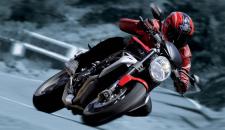
Niche performance bike manufacturer MV Agusta has achieved a remarkable and trend-bucking turnaround, according to a recent Financial Times case study of its recovery.
When Harley-Davidson walked away and gifted the company back to veteran Italian motorcycle industry grandee Claudio Castiglioni in August 2010, it was turning over only about £25m a year and incurring losses of around £3m a month. MV was also sitting on dust-gathering inventory worth more than £18m and struggling to pay suppliers.
But within a few months, a stern dose of financial rigour cleaned up its act. Some 60 members of the factory’s 250-strong workforce were made redundant and incentives and bonuses for the rest were cut. As a result, monthly losses had been reduced to just over £1m at the end of 2010 and the business was breaking even by March 2011. Castiglioni’s death in the summer of that year failed to interrupt this process.
His son Giovanni took over as chief executive and, thanks to keener-priced new bikes in an advanced stage of development, was able to target sales of more than 7500 units in 2012, revenue of £64m and a ten per cent operating margin. Subsequent success of these three-cylinder F3 and Brutale 675 models last year went a long way towards hitting such goals.
FT correspondents Benoit Leleux and Anne-Catrin Glemser reckon MV actually reached an annual revenue of about £59m and an operating profit of more than £4m in 2012 — admittedly below-target but impressive nevertheless given the challenging global economic situation.
“MV Agusta’s management relied on their previous experience with the brand but were not afraid to adapt to tougher financial conditions,” Leleux and Glemser concluded. “While keeping the essence of the brand and focusing on high-quality product development, they introduced greater financial discipline to cope with the impact of the crisis.”