










Even the Labour government’s best friends would probably agree that it’s not having a great time at the moment. However, it scored a win last month when it announced another tranche of cash to support electric vehicles. Transport secretary Heidi Alexander, handed out £650m in new electric car grants but made no mention of any help for the moribund electric bike sector. The current basic Plug-in motorcycle grant, which offers up to £500 off an electric motorcycle valued at up to £10,000 (mopeds are excluded), continues until April 2026. There was no word of expansion or renewal.
Both the Motor Cycle Industry Association (MCIA) and the National Motorcyclists Council (NMC) have criticised the lack of any new investment for electric two-wheelers and light vehicles. The MCIA welcomed the announcement as far as it went, but bemoaned the exclusion of bikes and light L-category vehicles.
“The announcement sends a strong signal to car manufacturers and buyers, but once again, the government has failed to recognise the enormous environmental and economic potential of zero emission L-category vehicles,” said MCIA CEO Tony Campbell. “With the Plug-in Motorcycle Grant set to end next April, and no alternative incentives on the table, there is now a serious policy gap. Electric motorcycles and scooters are already road-ready, affordable and ideal for urban and last-mile personal and delivery transport, yet government support is vanishing just as it is expanding for cars.
“We urgently call for a bespoke incentives programme for L-category vehicles, both for consumers and businesses. These should include point-of-sale grants, access benefits to zero-emission zones, parking advantages, and charging support, especially for fleet, logistics, and delivery users, where electrified light vehicles can make an immediate impact.
“If this government is serious about net zero, levelling up transport, and tackling congestion, it cannot continue to ignore our sector.”
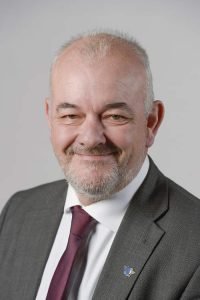 Craig Carey-Clinch, executive director, NMC
The NMC issued a detailed critique of the plans and called for an increase in the level and scope of support for riders changing from petrol to battery power. It also pointed out that a decline in past support, especially for mopeds, has contributed to a serious sales slump in the electric motorcycle sector.
NMC executive director Craig Carey-Clinch said: “With new grant support made available for electric cars, the government now has the ideal opportunity to support zero CO2 motorcycling by both renewing and strengthening the grant framework for motorcycles next April, so providing proper support for riders who choose to make the switch. Flexibility is needed for the motorcycle grant, so that the full range of alternatives, both currently available and also future products, can be supported in a technologically neutral way.”
Carey-Clinch also pointed out that the lack of any support for electric moped purchases has further exacerbated the problem with illegal e-bikes.
“The rise of illegally used high-powered e-bikes in recent years, particularly within the gig economy, is causing a great deal of concern given the safety implications of these bikes being used without registration, licences or insurance. The removal of the moped grant had a part to play in this, and it makes sense on several levels for the government to make legal electric mopeds more financially attractive to those on low incomes working within the gig economy and also to vehicle-dependent households where an electric moped would offer a sensible alternative to the car.”
Both organisations also emphasised the significant role motorcycling can play in reducing pollution, congestion, carbon emissions, and journey times, especially in urban areas where more support for electric bikes would help mobility.