










The UK may have been out of Europe for a few years now, but the trading bloc is still influencing how UK plc operates.
Consider the EU’s Packaging and Packaging Waste Regulation (PPWR), which took effect in February 2025, with compliance obligations coming into force on 12 August 2026. It represents one of the most significant changes to packaging legislation in decades. Although the UK is no longer a member of the EU, this regulation is highly relevant for UK firms that manufacture, import, distribute, or sell products into European markets.
Overall, the PPWR establishes harmonised rules across all EU member states to reduce packaging waste, improve recyclability, increase the use of recycled content, and support the transition to ‘a circular’ economy. It means firms wishing to sell into Europe need to understand and adapt to PPWR. For the record, firms that produce or sell entirely within the confines of the UK do not need to comply with the regulation.
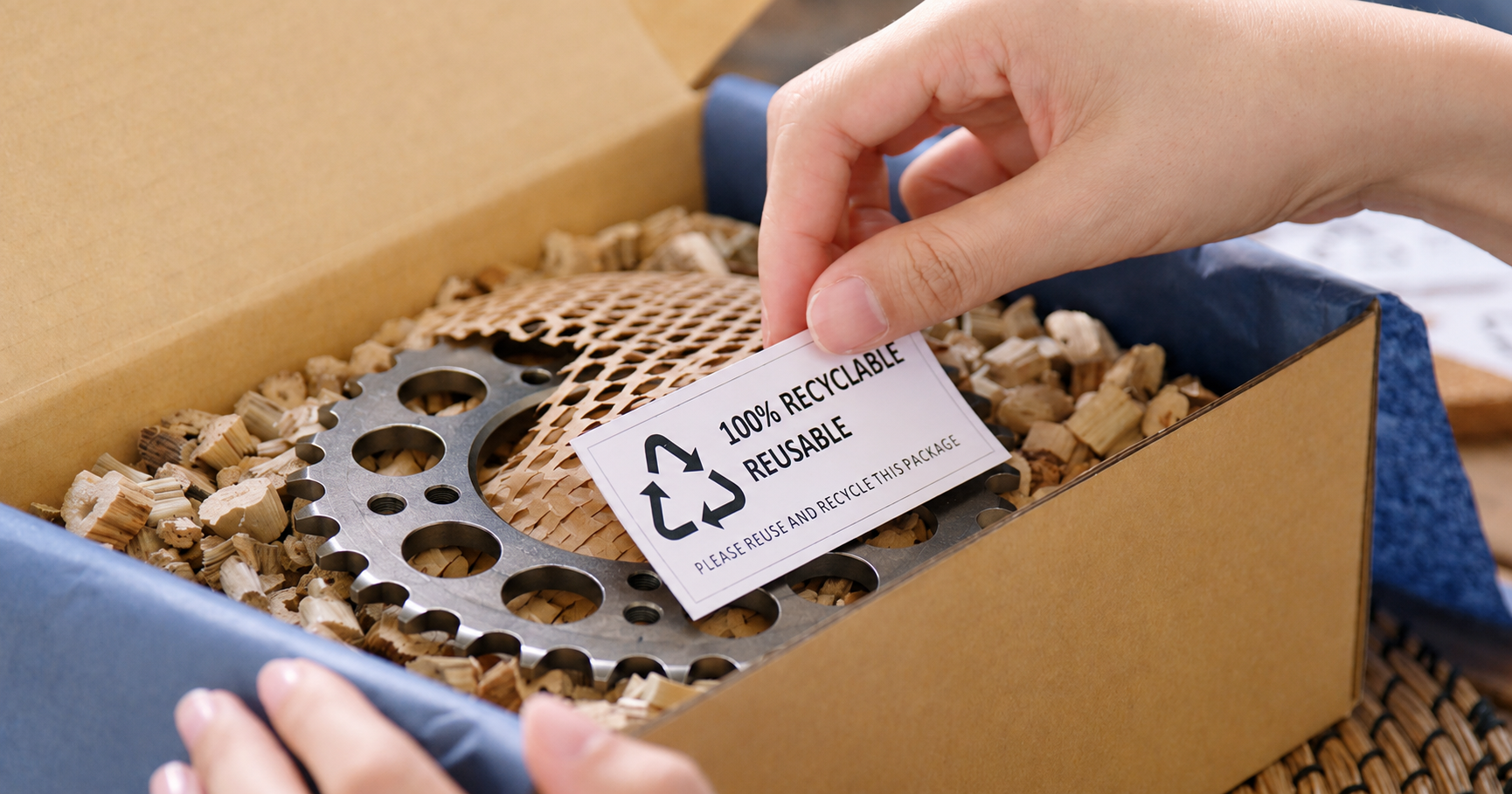
Given the impact of PPWR, firms will now have to work closely with their packaging suppliers to redesign materials where necessary, remove unnecessary packaging, and use only materials that meet the EU’s recyclability requirements. Mixed-material packaging will have to be replaced with single-material alternatives, excessive packaging will become a thing of the past, and labels, adhesives, and inks must no longer interfere with recycling. All of this will require investment.
On the positive side, UK firms, particularly those in e-commerce, can use the opportunity to improve packaging while reducing transport costs; smaller, lighter packaging will lower shipping expenses and warehouse fees, creating both environmental and financial benefits.
However, UK firms that fail to meet the new requirements could find their products restricted from sale or face financial penalties, higher operational costs, or damaged customer relationships. And of course, for businesses that operate in both the UK and the EU, PPWR is just another layer of regulation alongside UK packaging reforms, including Extended Producer Responsibility (EPR), deposit return schemes, and the drive for consistent household recycling collections.
Some will welcome the change, but others will not.
Indeed, at the end of June (2026), EuroCommerce said that European retailers and wholesalers had called on EU Environment Ministers to agree on a clear and realistic plan for rolling out the new rules. They were concerned about a lack of clarification and support, with the potential for supply disruptions, unnecessary costs, and unintended environmental consequences.[1]
Interestingly, there seems to be little recent public comment in the UK on the subject, other than organisations offering their expertise to help exporters understand and cope with the new rules. As a comment on Reddit noted: “I’m surprised I can’t find people talking more about this. PPWR is going to start being applied in two months… It means registering for waste management in every EU country you want to do business in…”[2]
It appears that the press is more interested in the UK’s own Extended Producer Responsibility (EPR) scheme, even though many exporters have been preparing for both regimes simultaneously.
When considering exporting to the EU, firms need to check with their packaging supplier that any packaging used is PPWR-compliant. They must also liaise with EU importers and distributors they work with to understand the specific information they will seek to keep the relationship alive.
It’s just as important that firms remember to update any conformity documentation whenever a packaging element is removed, added, or changed, and that they look ahead to the increased PPWR demands from 2030 onwards.
The most important of which are minimum recycled content targets for plastic packaging, stricter recyclability performance requirements, restrictions on certain packaging formats, and mandatory re-use targets for some packaging types.
There will also be re-use requirements for transport and transit packaging used in B2B supply chains, with increasing targets through to 2040. Exporters should review pallets, crates, boxes, and logistics systems to understand what may affect them in time.
The direction of travel is clear. UK firms wishing to sell into Europe have no choice but to comply. The best they can do is to comply and seek opportunities to make the move financially rewarding.