








Significant changes to the rules for new drivers and riders took effect in Northern Ireland from the start of October. The National Motorcyclists Council (NMC) and British Motorcyclists Federation (BMF) have issued a joint statement on the introduction of Graduated Driver Licensing (GDL), calling it one of the most substantial reforms to training and licensing in decades. The new system aims to address the overrepresentation of younger and inexperienced road users in serious collisions.
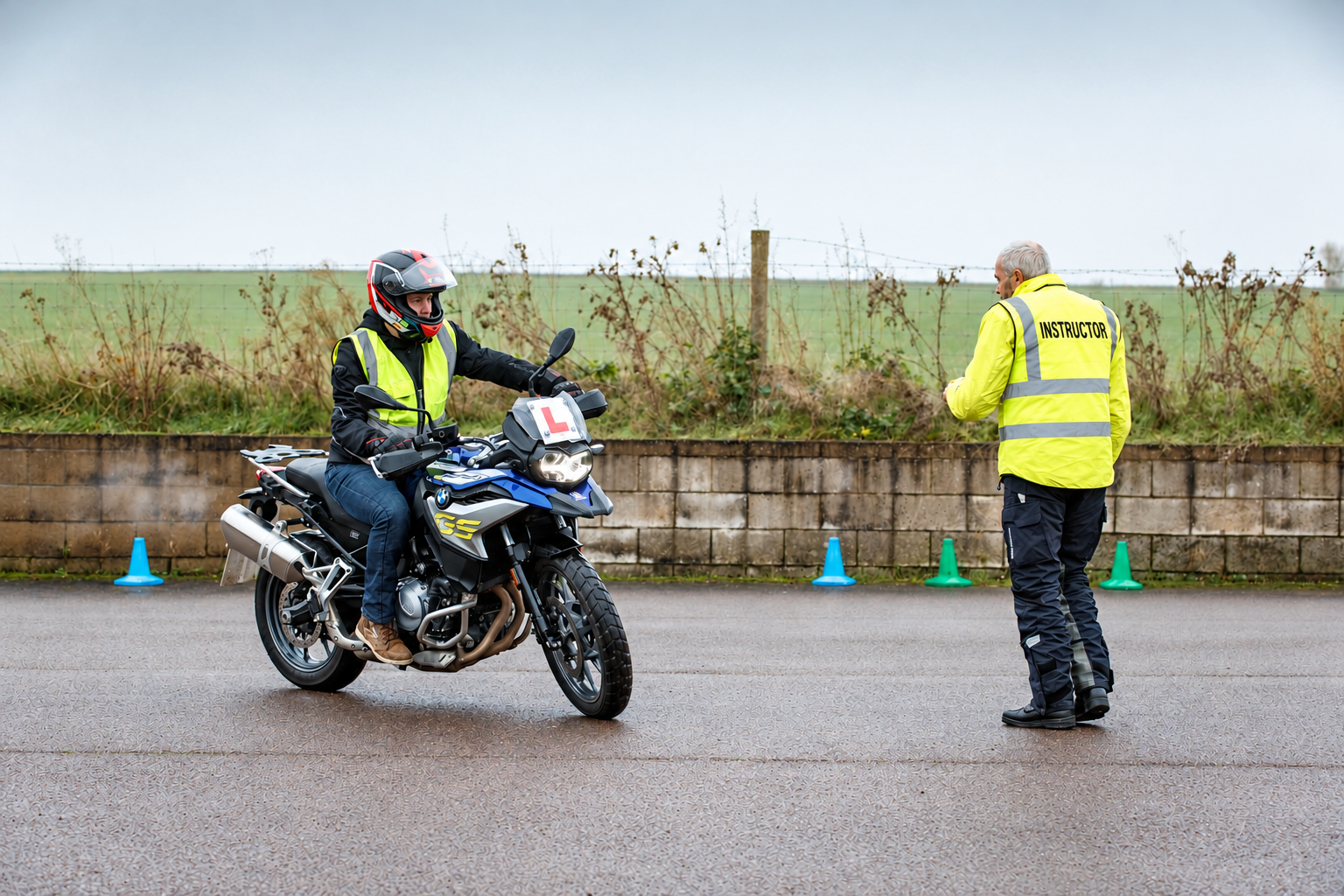
While much of the publicity around GDL has focused on young car drivers, it also explicitly includes motorcycles. From 1 October, new Category A1, A2, and A motorcycle learners face a more structured learning regime, including a new Programme of Training and a compulsory logbook to record development before the practical test. The programme covers 10 mandatory modules, plus an optional motorway-riding module, encompassing knowledge, practical riding skills, and the development of safer attitudes and behaviours. All modules must be completed and signed off prior to the practical test.
Unlike car drivers, motorcyclists are not subject to the new six-month mandatory minimum learning period or restrictions on carrying young passengers late at night. However, the new rules extend Northern Ireland’s restriction period for newly qualified riders and drivers from 12 months to two years, during which the appropriate R plate must be displayed. The previous 45mph restriction has been dropped, allowing newly qualified riders to travel at posted speed limits.
Commenting on the changes, BMF chair Jim Freeman said: “The BMF and NMC support structured, high-quality training that demonstrably helps develop safer riders and reduce casualties. We all share the objective of reducing the unacceptable number of motorcyclists killed or seriously injured on our roads.
“But we must not assume that simply making motorcycle licensing more restrictive or complicated will automatically improve safety. Any changes must be evidence-led, proportionate and affordable, and should encourage riders to undertake further training and progression towards a full licence.
“Northern Ireland is taking a distinctive approach, and we will be watching closely to see what the evidence shows. If structured training delivers safer riders, better hazard awareness, and greater progression, there may be lessons for the rest of the UK. We will also monitor whether any elements create unintended barriers to taking up or continuing with motorcycling.
“The BMF and NMC will remain fully engaged with government, the DVSA and other key partners as the new Road Safety Strategy develops. We want motorcycling to be at the heart of this work, with riders themselves having a strong voice in shaping the future of training and road safety.”