









BMW: tight-fisted as ever!
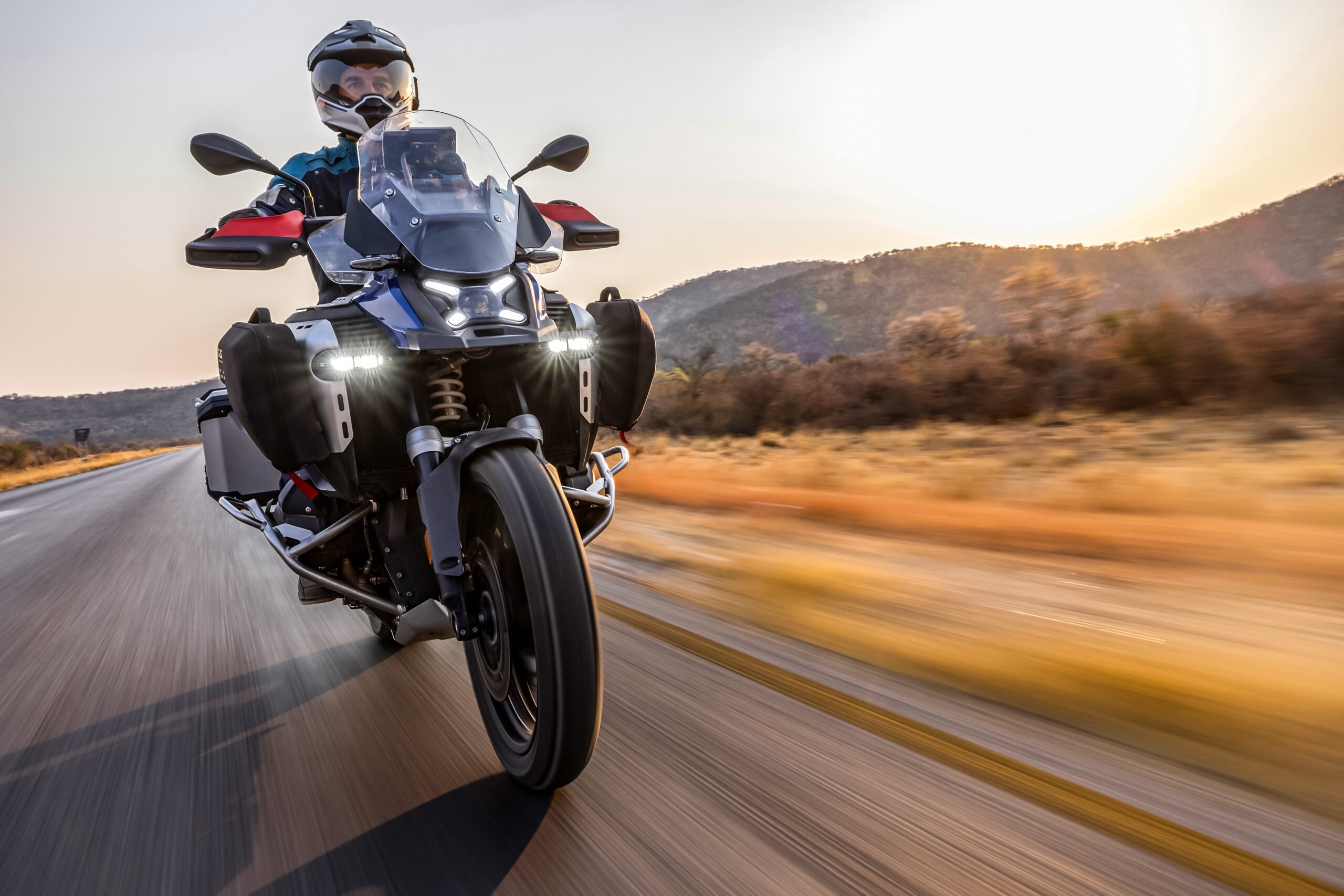
BMW Motorrad has always been tight-fisted with early-season details of its business, and this year’s Q1 revelations are no exception. The first three months of 2026 saw a 4.2% drop in motorcycle and maxiscooter output from its Berlin assembly plant to 42,735 units. Related revenue from motorcycles declined by 3.3% to £672.7m. However, operating profit was brighter, 17.1% up to £76.9m. And operating margin improved from 9.4% to 11.4%. Pre-tax profit rose by 17.3% to £76m. Net profit came in at £54.4m, improving from £44.9m in Q1 2025.
Operating margin, which had averaged 5.7% in the previous year, was set to sit between 4% and 6%. Return on capital employed (RoCE), averaging 12.8% last year, was expected to stay between 10% and 14%. Annual sales volume was billed to remain at approximately the previous year’s level (202,563 units), according to BMW Motorrad chief executive Markus Flasch, who was probably anticipating a useful boost from lots of twin-cylinder A2-compliant F450GS models made in India, imminently arriving in European dealerships.
Ducati sales return halved
Ducati continued to lurk behind Audi’s Brand Group Progressive smoke screen, using an unforgivingly competitive Q1 market for cover. Ducati’s quarterly detail was much weak than BMW. Both motorcycle production volume allocation and individual model sales during the period went entirely unreported. Revenue had fallen by 17.6% to £175.2m, due to lower sales and struggling against market factors. Operating profit plunged by 53.8% to a mere £6.1m, more than slashed in half versus operating profit in Q1 2025. Ducati’s operating return on sales sank to just 3.5% from 6.3% in Q1 2025. The excuses were lower revenue and negative model mix effects, as well as forex and US tariff impacts.
Brand Group Progressive’s overall operating profit amounted to £507.5m. Audi was responsible for 66% of that. Lamborghini delivered an impressive 32%. Bentley actually booked an operating loss. And Ducati could only manage a trivial 1% contribution.
Piaggio sales down 12.1%.
Piaggio Group chief executive Michele Colaninno kicked off his Q1 2026 results statement with an upbeat claimed increase of vehicle sales worldwide. But in reality that only meant 1.5% growth to 108,400 units, based on light commercial vehicles sales in India, and was generally worth ignoring. The reality check pointed at a very mixed performance, with consolidated quarterly revenue falling to £294.8m, down from £319.9m in Q1 2025. The revenue decline was blamed on “foreign exchange headwinds”. Operating profit dropped by 18.6% to £17.2m. Operating margin shrank to 5.8% from 6.6%. Pre-tax profit slumped by 33.1% to £7.4m. Net profit dived by 39.5% to £4.6m. Piaggio’s net debt at 31 March 2026 was £514.4m, rising from £511.8m on 31 March 2025 – apparently representing the smallest first-quarter cash absorption in company history.
During the quarter, Piaggio sold 72,300 powered two-wheelers, generating associated revenue including parts and accessories of £215.5m, which constituted a 12.1% decline. The Indian PTW market achieved a 15.6% increase in volume, although revenues were heavily impacted by unfavourable exchange rates. Developed markets such as the US and Europe also experienced slowdowns and inventory containment, partly due to consumer confidence declines and transitional regulatory impacts, leading to sales falling by 11.7%.
Nevertheless, Piaggio sustained strong positioning in premium markets, holding roughly 15.3% of the European scooter market and a 29.9% share in North America.
And despite overall unit volume dips, Piaggio’s motorcycle segment – specifically the Aprilia and Moto Guzzi brands – actually admitted to achieving revenue growth reported to be of somewhere around 3%, by benefiting from product updates such as the Aprilia RS457 and revamps to the Moto Guzzi V7 range.
€-£ currency translation at forex rates applicable on 12 June