










 It’s hard to think of an area of British life where the state has abdicated responsibility so comprehensively as for modern light urban mobility vehicles. The laws around e-scooters, e-bikes and other light electric transport modes are a mess, with a weird mix of Edwardian (or even Victorian)-era legislation and an inability to unravel long-standing conventions on what constitutes a motor vehicle, all tied in with a massive to-do list for the government.
Put bluntly, sorting out a legal basis for e-scooters to operate as useful private vehicles, in a safe way, with the required accompanying social architecture, is a job that’s seemingly just too big for the government to take on at the moment. Especially when it’s already firefighting a range of other woes, from cost of living worries, war in Ukraine, lunacy from the White House, drought, wildfires, collapsing infrastructure, moral panics around everything from TikTok to immigration – you get the picture.
The Labour government looks more stable under Andy Burnham, for the moment. But the northern PM’s list of problems is just as massive as Keir Starmer’s was, and it seems doubtful that e-scooter legislation will be any more urgent than it was before the summer. That’s despite some continuity; transport secretary Heidi Alexander stayed in her post from the Starmer government into the Burnham era.
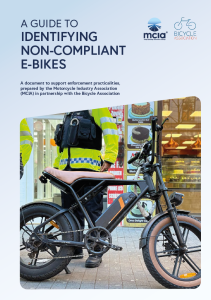
It’s hard to overstate the mess we’re in here. Even the police don’t really know the law around e-bikes, so much so that the MCIA, along with the Bicycle Association, has produced an online ‘ready-reckoner’ pamphlet to help bobbies on the beat work out which battery-powered two-wheelers to nick.
To be fair to the government, it is not a simple matter to resolve. Bringing in a separate system of licensing, approval, insurance, and registration for e-scooters would be an enormous challenge. Banning the sale and possession of the things would be very costly (you’d need some sort of compensation scheme for retailer stock and existing private owners). Meanwhile, the number of illicit e-scooters continues to grow, bringing more injuries and deaths across the country. In 2022, a coroner in London called for action after the death of 14-year-old Fatima Abukah on a privately owned scooter. DfT figures for 2024 – the most recent year for which figures are available – show 1390 casualties on e-scooters across Great Britain.
Last month, the BBC reported in-depth on the matter, though what it found probably won’t surprise anyone in the industry. As it pointed out, successive British transport secretaries have supported the idea of a new law to legalise and regulate the e-scooters available for sale over recent years. E-scooters were actually mentioned in the 2022 Queen’s Speech, but nothing materialised. The BBC quoted Margaret Winchcomb, deputy executive director at the Parliamentary Advisory Council for Transport Safety (PACTS), talking about the legislative holdup on e-scooters. She said that some of the “dithering” is down to fears that any new laws would have unintended consequences for things like disability scooters, where there’s an overlap in legal definitions.
The BBC also spoke to the devolved administrations in the UK and found frustration there too. A spokesperson told it that the Scottish government “will continue to urge the UK government, which holds powers on registration and licensing over off-road vehicles, to take action in this area.” Meanwhile, the Welsh government said it will “monitor developments on legalisation plans and consider the implications for Wales.” Northern Ireland’s Department for Infrastructure told the BBC it is monitoring the trials in England, as well as the impact of recent law changes in the Republic of Ireland.
Finally, the DfT said that trials of rental e-scooters are “building the real-world evidence needed to get regulation right” and it will consult on longer-term rules, including registration and licensing requirements, within the next year.
“E-scooters have real potential to improve local connectivity and cut emissions, and we want to see that potential realised safely and responsibly across the UK,” a spokesperson said.