









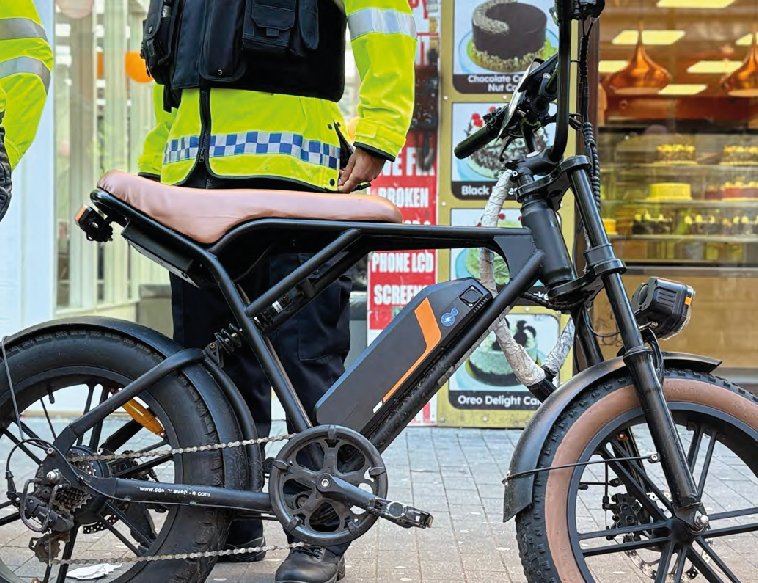
 The laws surrounding the use of electric bikes and other light urban mobility machinery are a mess. That’s been confirmed by the Motor Cycle Industry Association (MCIA)’s discovery that even the police don’t always know how to tell whether a particular e-bike is legal. So, the industry body has, together with the Bicycle Association, put together a handy online guide which the police can use at the roadside to help determine if a bike is a legal electric-assisted pedal cycle (EAPC) or an unlicensed electric motorcycle illegal for use on the road without a licence, insurance, MOT and Type Approval. The MCIA is, of course, concerned because illicit e-bicycles are undermining the legal moped and scooter trade. Sales of type-approved, properly engineered vehicles suffer when unscrupulous users buy cheap, unsafe, illegal machinery without fear of effective police enforcement.
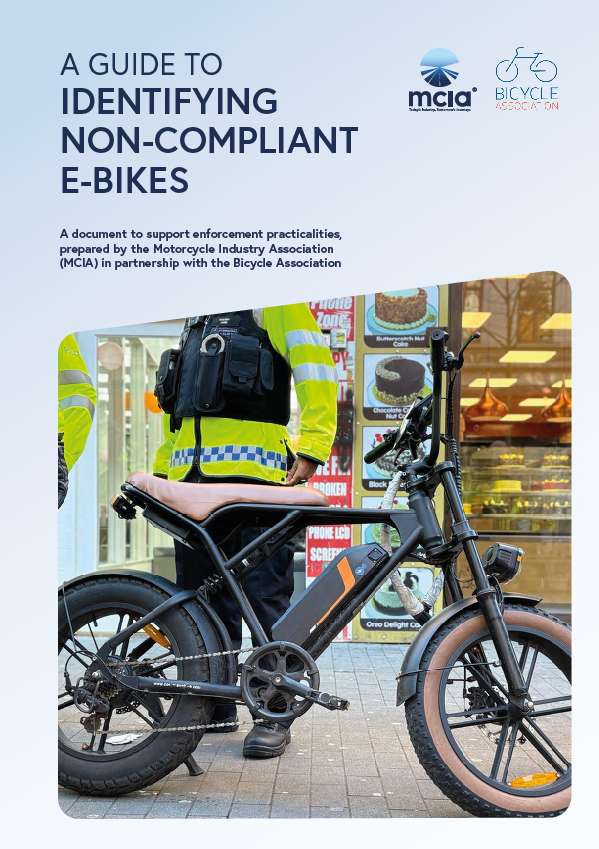
The MCIA wrote to police chiefs and constables across the country to ask whether they would like to work together on the issue and received a positive response. The result is A Guide to Identifying Non-Compliant E-Bikes, which is being sent to traffic cops across the nation. It includes advice on determining whether a bike is a legal EAPC, whether it needs type approval, and assistance in identifying whether a vehicle is being used within EAPC limits. This includes information on throttle controls, pedals, speed and power limits – legal e-bicycles are limited to assistance when pedalling only, with a 250w power limit and 15.5mph speed limit.
MCIA chief executive Tony Campbell launched the new guide at a meeting of the National Police Chiefs’ Council in Milton Keynes. He said: “What we are seeing is the rapid emergence of an unregulated market in illegal, non-compliant and high-powered e-bikes. This creates real public safety risks, undermines legitimate manufacturers and retailers who invest in compliance, and places growing pressure on police forces.
“Officers have told us they need clearer, consistent guidance on identifying and dealing with these vehicles. The guide we have developed with the Bicycle Association is a useful step, but not a complete solution. National clarity, consistent policy and coordinated action across government – including stronger oversight of the supply chain and delivery sector – are urgently required. Police cannot solve this alone.”
The guide can be seen on the MCIA website or downloaded here: d2zif723tly95y.cloudfront.net/2144/A-Guide-To-Identifying-Non-Compliant-E-Bikes.pdf.